
Created: 2026.03.02. 15:00
Széchenyi István University organised a special cultural programme for its students and local residents to celebrate the Chinese Lunar New Year at the institution’s Győr Innovation Park. Participants received information about the language courses launching in September, learned about the planned activities of the recently inaugurated Confucius Institute, and had the opportunity to try calligraphy, stencil painting, using chopsticks and jianzi (a traditional shuttlecock game played with the feet).
Educational, economic and cultural relations with China play a prominent role in Széchenyi István University’s international strategy. Recently, Hungary’s newest Confucius Institute was opened at the institution in partnership with Jiaxing University of China, giving new impetus to language education, joint programmes, research projects and exchange schemes. The University recently hosted a celebratory event welcoming the Chinese Lunar New Year for local residents, attended not only by students but also by participants of language courses and interested members of the public.
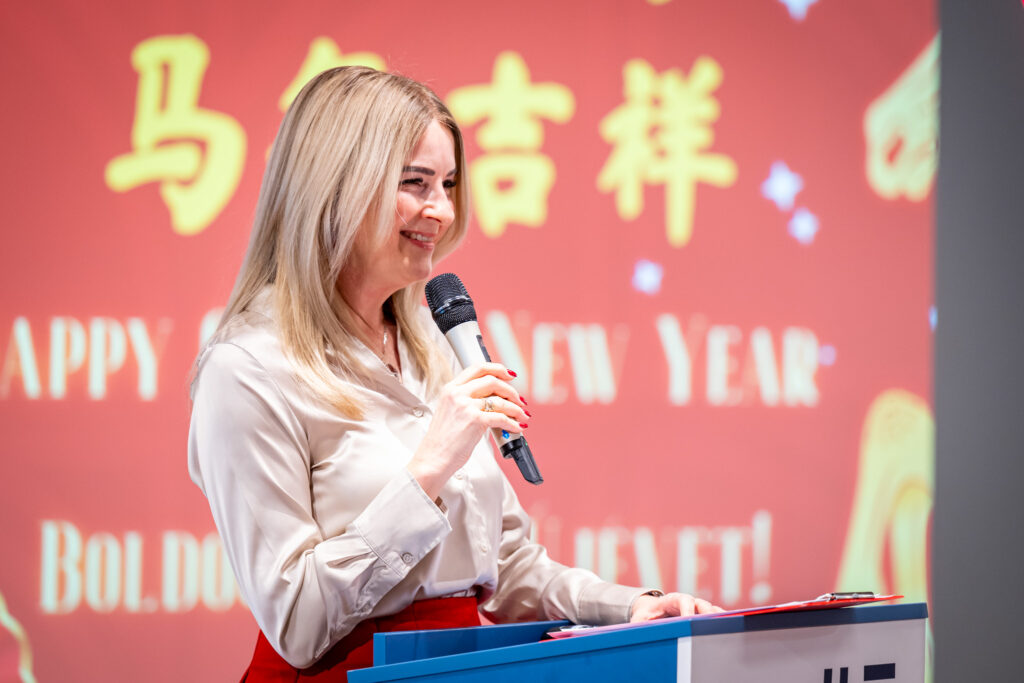
Natasha Borbély-Bailey, Head of the Centre for Language and Culture of Széchenyi István University, welcomed everyone (Photo: Máté Dudás)
At the event welcoming the Year of the Fire Horse, Réka Orosz-Barczi, Director of the International Directorate, explained that the primary aim of the Confucius Institutes, launched in 2004, is to promote Chinese language and culture worldwide. “At present, around five hundred Confucius Institutes operate in 164 countries – including now in six cities in Hungary. Within Europe, Hungary has the fifth highest number of institutes, and in Central Europe it ranks first,” she noted. She emphasised that the Győr institute is distinctive in building on the strengths of Széchenyi University, particularly in the fields of engineering, information technology and technological sciences.
“We aim to provide Chinese language education to as wide an audience as possible in the region, with the support of both Hungarian and Chinese instructors – therefore, in addition to Hungarian, our courses will also be offered with English as the medium of instruction. In the future, we will place strong emphasis on children’s and youth programmes through summer camps and playful activities. In addition, we plan to introduce business language courses, as well as language examination preparation and administration, and we will continue cultural programmes such as the Mid-Autumn Festival held in October,” she emphasized. Regarding the Chinese language education currently managed by the University, the Director informed participants that courses under the Confucius Institute will commence in the first week of September, with all relevant information to be available on the institute’s website.
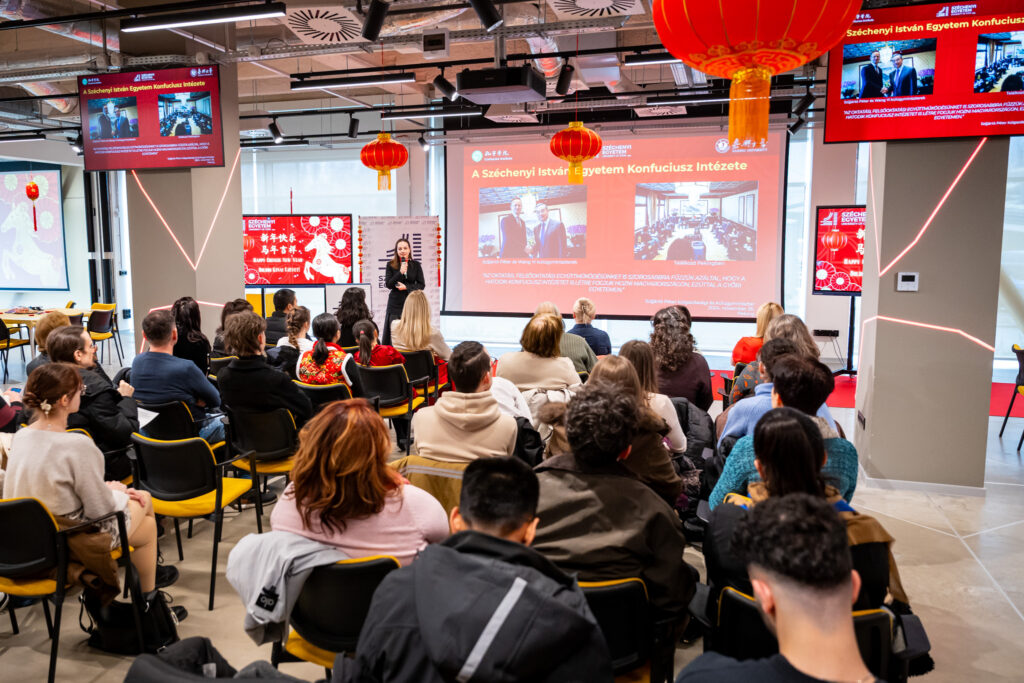
Réka Orosz-Barczi, Director of Széchenyi István University’s International Directorate, delivered a presentation on the institution’s recently established Confucius Institute (Photo: Máté Dudás)
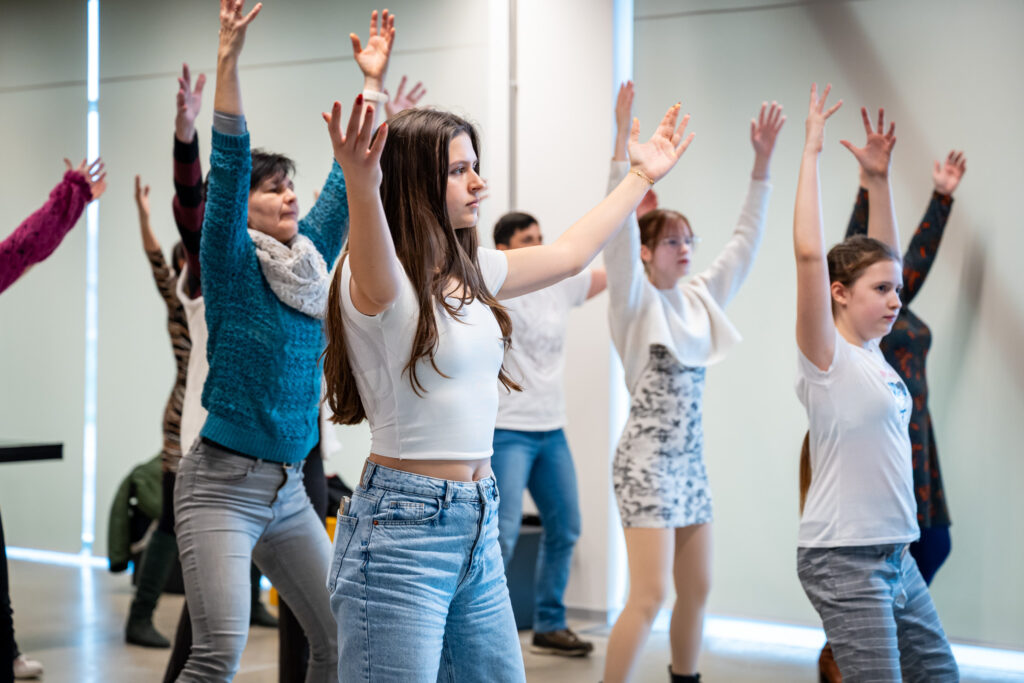
Anita Eredics – Wudang taiji and qigong instructor and a 24th-generation Longmen Taoist priest – delivered a lecture entitled “Treasures of Traditional Chinese Culture in the 21st Century – Martial Arts, Health Preservation and Spiritual Harmony”. She explained that ancient Chinese Taoist culture seeks to create harmony between Heaven and Earth, humanity and society. “Taoists believe that balance and harmony are the most important elements in human life, enabling the maintenance of a vital body, good health, unobstructed energy flow and a peaceful mind. Tai chi movements are characterised by softness and circular, natural motions, accompanied by light yet stable steps,” she outlined.
She added that qigong – with written records dating back to the third millennium BC – is an external spiritual and mental healing practice that incorporates movement and breathing exercises as well as massage techniques. “According to research by the United Nations World Health Organization (WHO), tai chi ranks among the five healthiest forms of exercise, as its slow movements do not lead to exhaustion, protect the spine, strengthen the muscles and improve balance. Moreover, it also has a beneficial effect on mental health,” she highlighted.
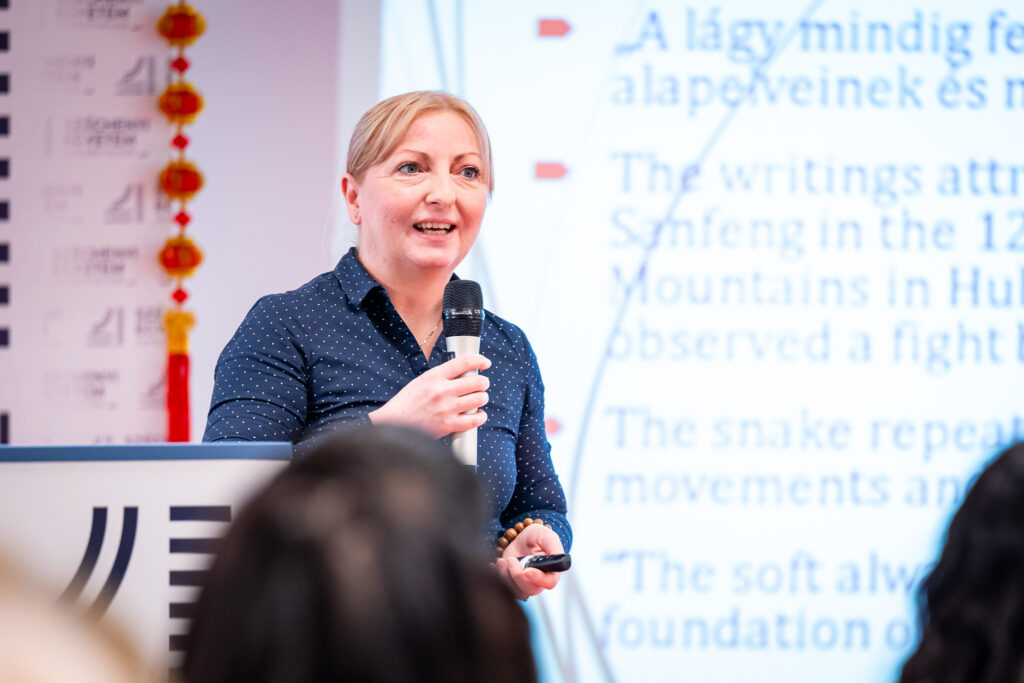
Anita Eredics, Wudang taiji and qigong instructor and 24th-generation Longmen Taoist priest, also demonstrated the positive health effects of tai chi and qigong (Photo: Máté Dudás)
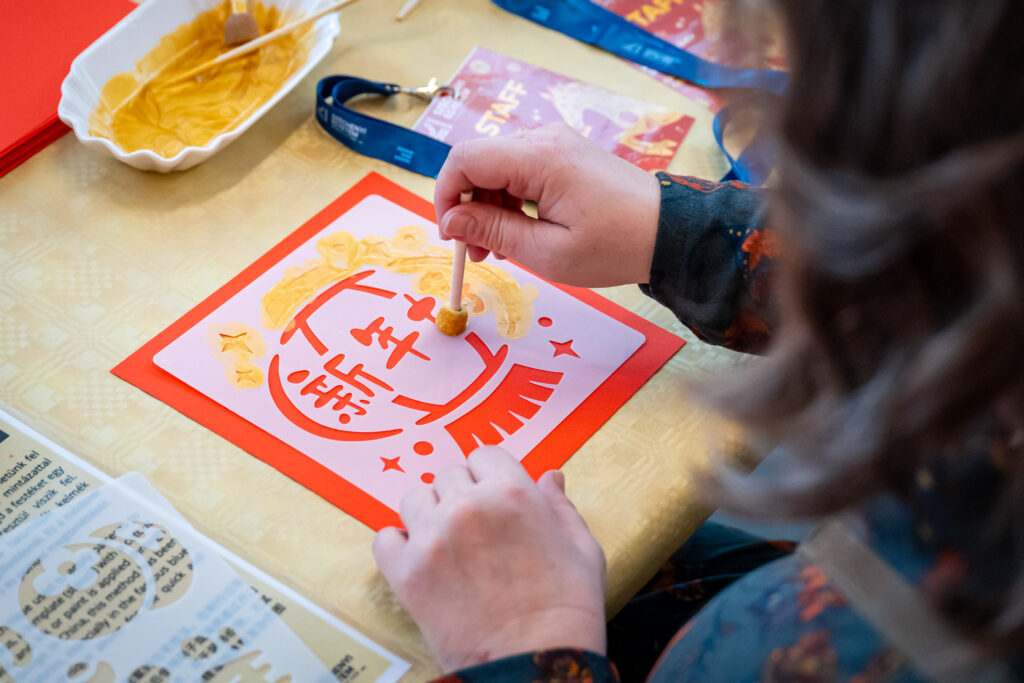
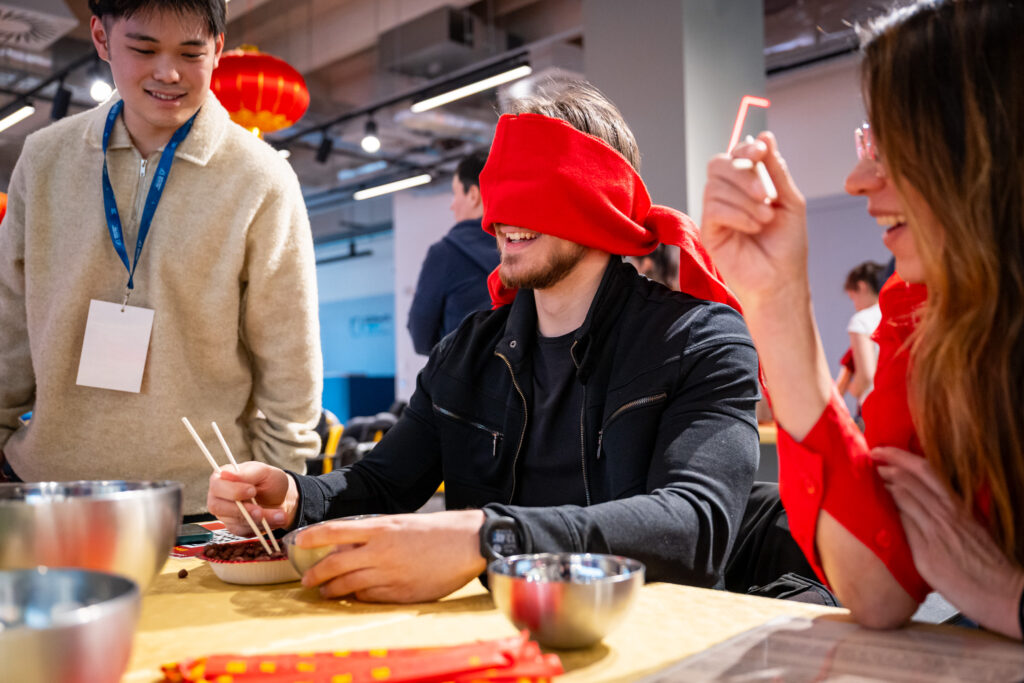
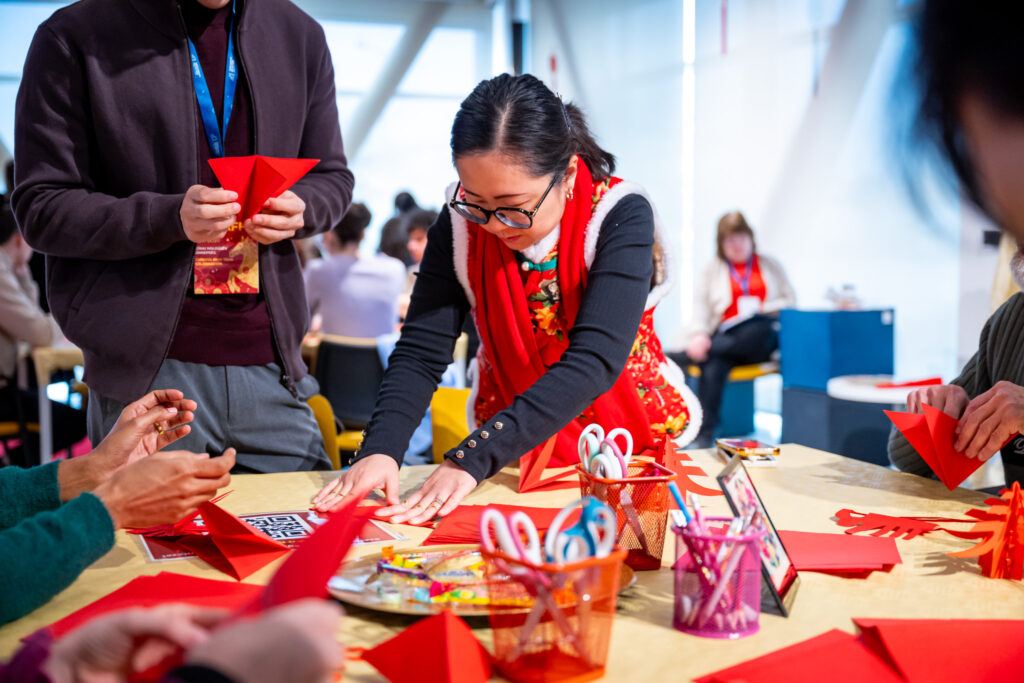
The festive programme opened with a joint performance by the Chinese students and lecturers of Széchenyi István University, followed by a range of colourful interactive activities. In addition to table tennis, participants could try jianzi, the traditional shuttlecock game played with the feet, take part in chopstick challenges, and learn taiji quan and qigong movement exercises. At the thematically decorated venue, visitors could take photographs with mannequins dressed in authentic folk costumes, create bookmarks, and try their hand at traditional calligraphy and stencil painting.
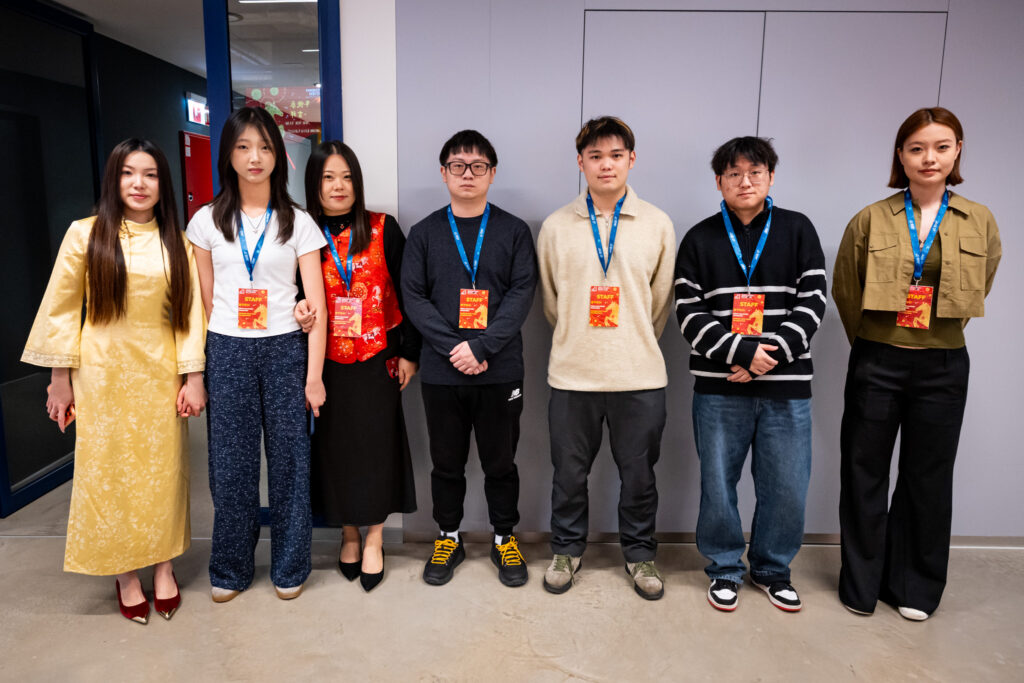

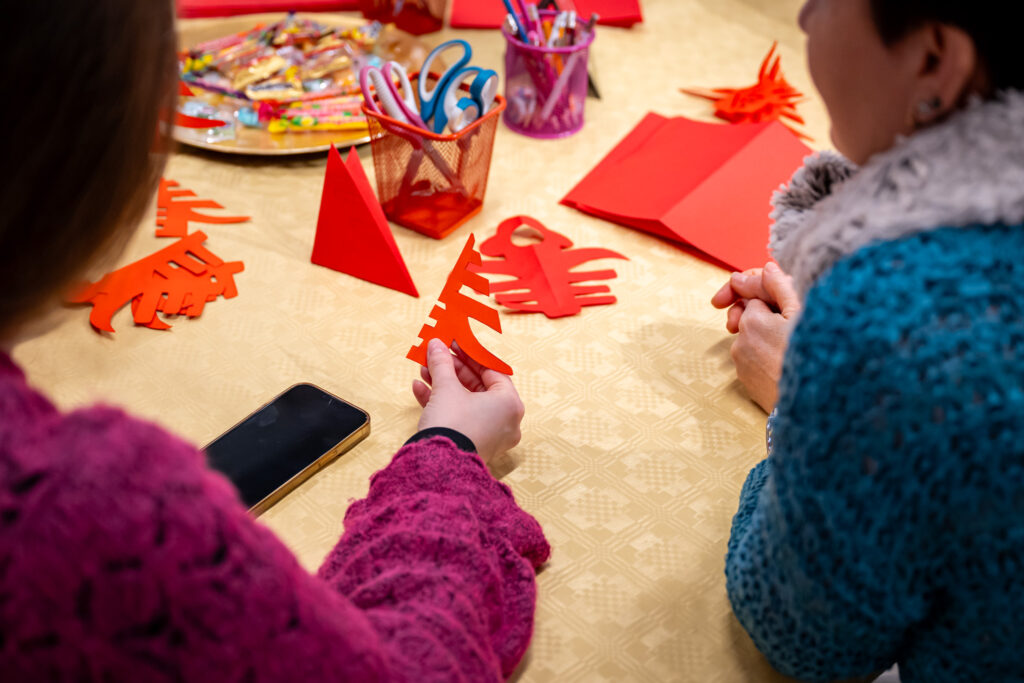
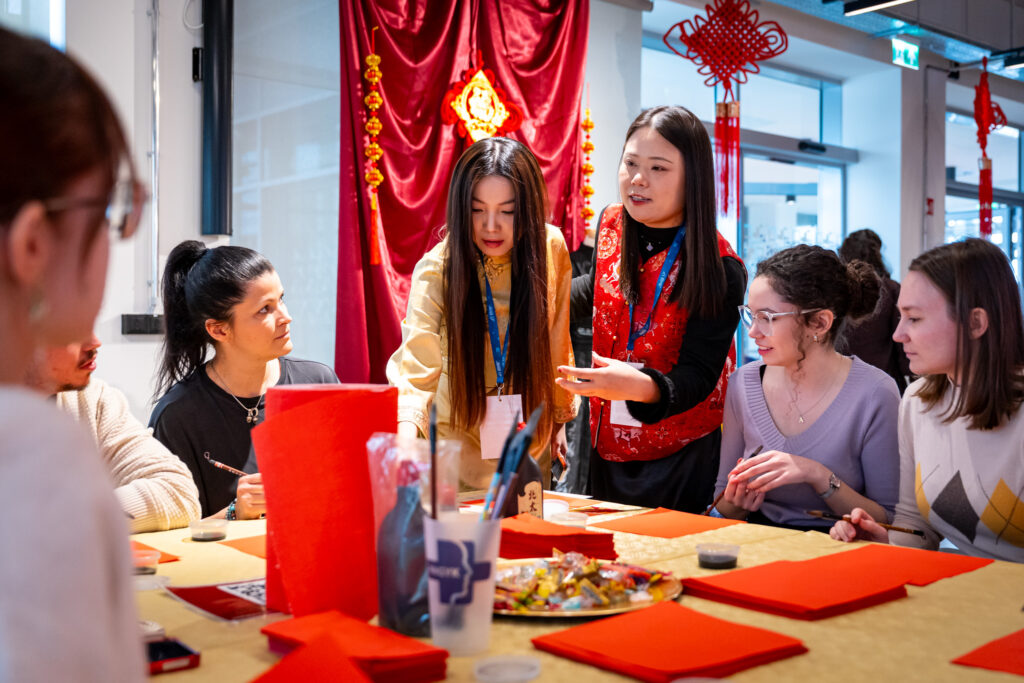
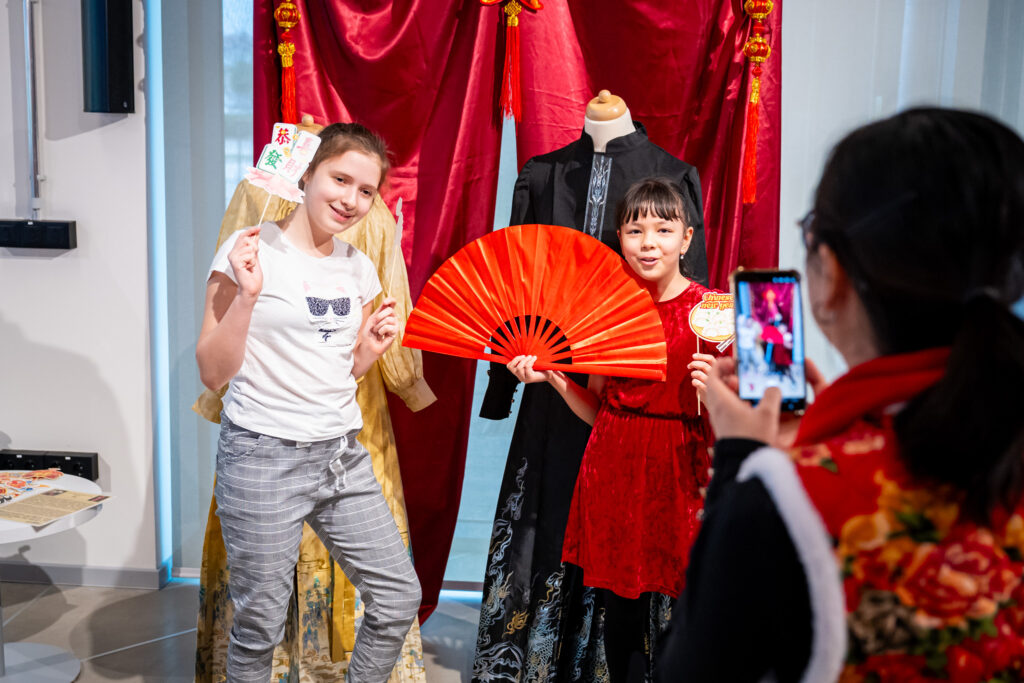
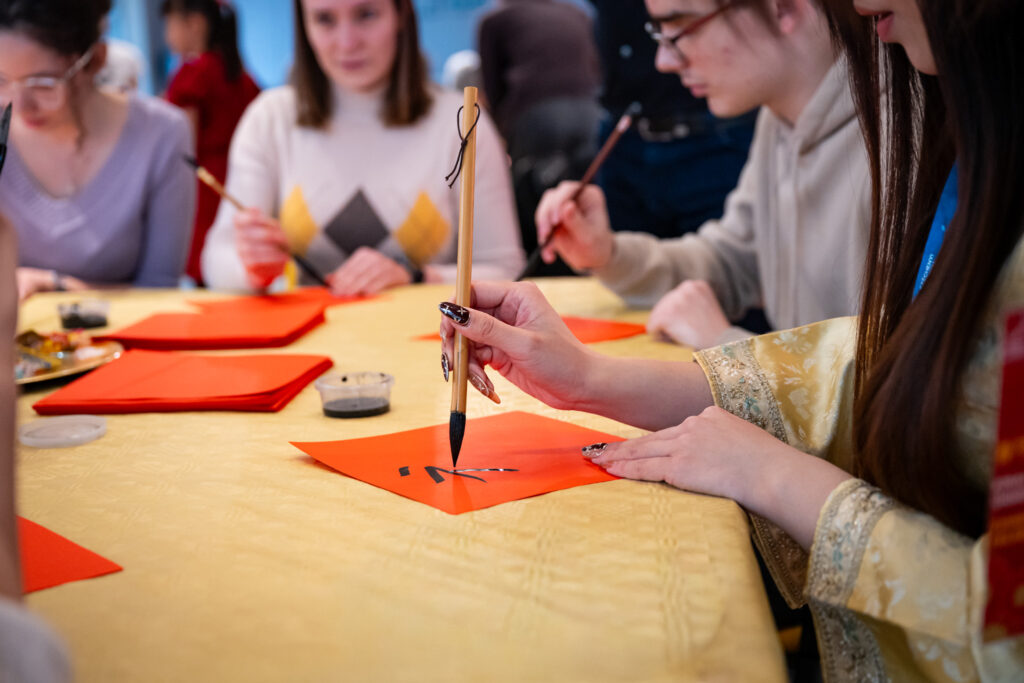
GALLERY OF THE EVENT (PHOTOS: MÁTÉ DUDÁS)