Created: 2026.01.05. 15:18
Through its international research applications, Széchenyi István University has secured a total of approximately HUF 300 million in funding, enabling it to participate in environmental and climate protection as well as sustainable agricultural research through the European Union’s Interreg Austria–Hungary Cooperation Programme. The work is carried out in collaboration with companies and institutions such as Vienna-based Evologic Technologies, Esterhazy Betriebe AG of Eisenstadt, and the Municipality of Graz.
Strengthening scientific cooperation with internationally recognised institutions is among the strategic objectives of Széchenyi István University. In line with these ambitions, the University has recently received funding for several environmental protection and sustainability research projects, supported by the Interreg Austria–Hungary Cooperation Programme, financed by the European Union and the Hungarian government. The projects are implemented within the framework of consortium partnerships involving renowned Hungarian and Austrian organisations, companies and institutions.
Széchenyi István University is participating in a three-year international research project entitled “Development of microbial solutions for sustainable and climate-resilient agriculture and agroforestry”. The initiative aims to promote the agricultural application of microbial products (biofertilizers and biopesticides), which offer sustainable alternatives to synthetic preparations. The project is led by the Austrian company Evologic Technologies GmbH, with MAVAD Nonprofit Ltd and Lajtamag Ltd also participating in the consortium.
The University – which has secured approximately EUR 200,000 (around HUF 77 million) in funding – will primarily be responsible for setting up small-plot experiments, carrying out measurements and evaluating the results.
The project entitled “Climate change-adapted (heat-resilient) cities” is a 30-month cross-border cooperation between Győr and Graz, focusing on reducing the health risks of climate change and heatwaves and strengthening urban resilience. The consortium is led by the Municipality of Graz, while scientific research, monitoring and impact assessment are provided by the Faculty of Health and Sport Sciences of Széchenyi István University in cooperation with the Unified Health and Social Institutions of Győr. The Hévíz St Andrew Rheumatology Hospital and Spa, as well as the Family and Child Welfare Centre of Győr, are also involved in the project. Activities include situation analyses, city-specific interventions, evaluations based on a unified indicator system, the establishment of an expert network and education programmes, as well as the organisation of an international conference in Győr. Széchenyi István University has more than EUR 240,000 (approximately HUF 94 million) available for the implementation of the project.
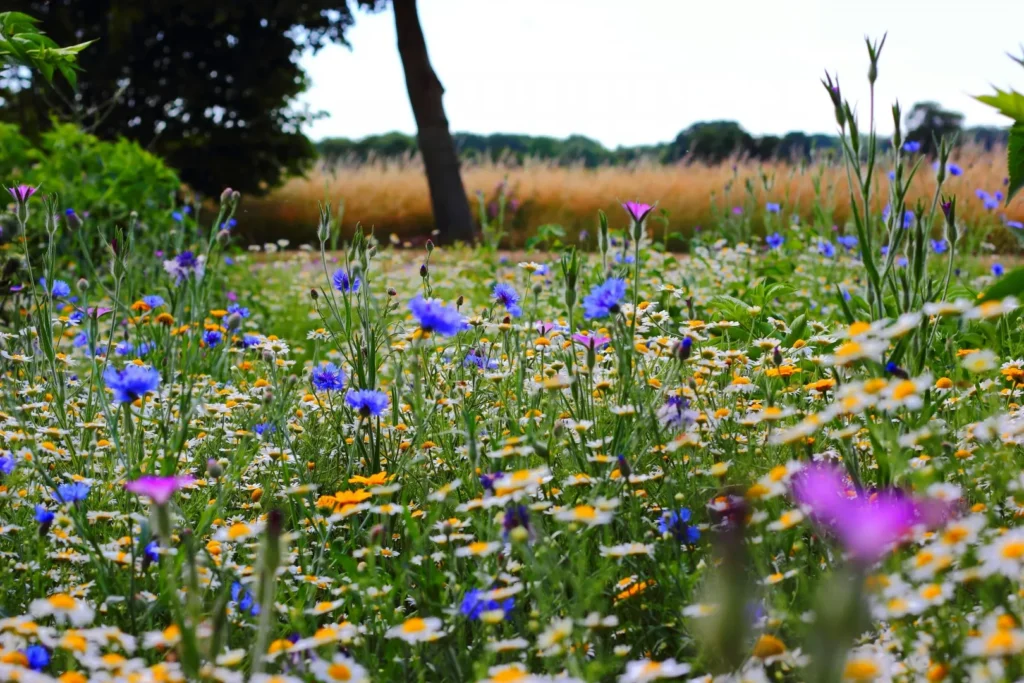
The project entitled “Green Connections – Nature-based solutions and sustainable land management in the Austrian–Hungarian border region” aims to strengthen the long-term conservation of biodiversity through research, education and practical measures. Within the 33-month programme led by Széchenyi István University, studies will be launched on 80 arable sites, providing, for the first time, comparable data on the effects of organic and conventional farming systems on biodiversity. Based on the results, practical recommendations will be prepared for farmers and published in a bilingual guide. As part of the project, demonstration sites showcasing endangered wildflower species will be established in Austria and Hungary, accompanied by citizen science programmes involving the general public. The project is implemented in cooperation with Biosphere Reserve Wienerwald Management, Esterhazy Betriebe AG of Eisenstadt, and the Pisztráng Kör Waldorf Nature Conservation and Hiking Association. Széchenyi István University has secured approximately EUR 340,000 (more than HUF 130 million) in funding for the project.