
Updated: 2026.10.26. 09:34|
Széchenyi István University’s return to the Erasmus+ programme gave particular significance to the University’s latest MobiliTea event. The institution organised the information session on study abroad and scholarship opportunities for its students on the very day the previous EU restrictions were lifted. The event also introduced the opportunities offered by the Pannónia Scholarship Programme and CEEPUS.
Széchenyi István University recently held another MobiliTea information event, providing students with details of study abroad and scholarship opportunities. On 13 October, the Council of the European Union decided to lift restrictions affecting institutions maintained by public interest asset management foundations in Hungary, allowing them to apply for funding under the Erasmus+ and Horizon Europe programmes once again. The decision also opens up new opportunities for the University in Győr in terms of international cooperation and students gaining experience abroad. Over a cup of tea, attendees could chat informally with former scholarship recipients, exchange students studying at the University and staff from the Centre for Mobility and Scholarships.
“We are delighted that the opportunities offered by the Erasmus+ programme are once again opening up to our students. In recent years, the Pannónia Scholarship Programme has provided them with a wide range of opportunities to gain experience abroad, and now the range of scholarships available to them can expand once again. We believe it is important for young people to learn about as many opportunities as possible and find the programme that best suits their studies and goals. A semester abroad, or even a shorter study trip, can provide not only new knowledge and connections but also experience that students can draw on later in their careers,” said Márta Mészáros, Head of the Centre for Mobility and Scholarships at Széchenyi István University.
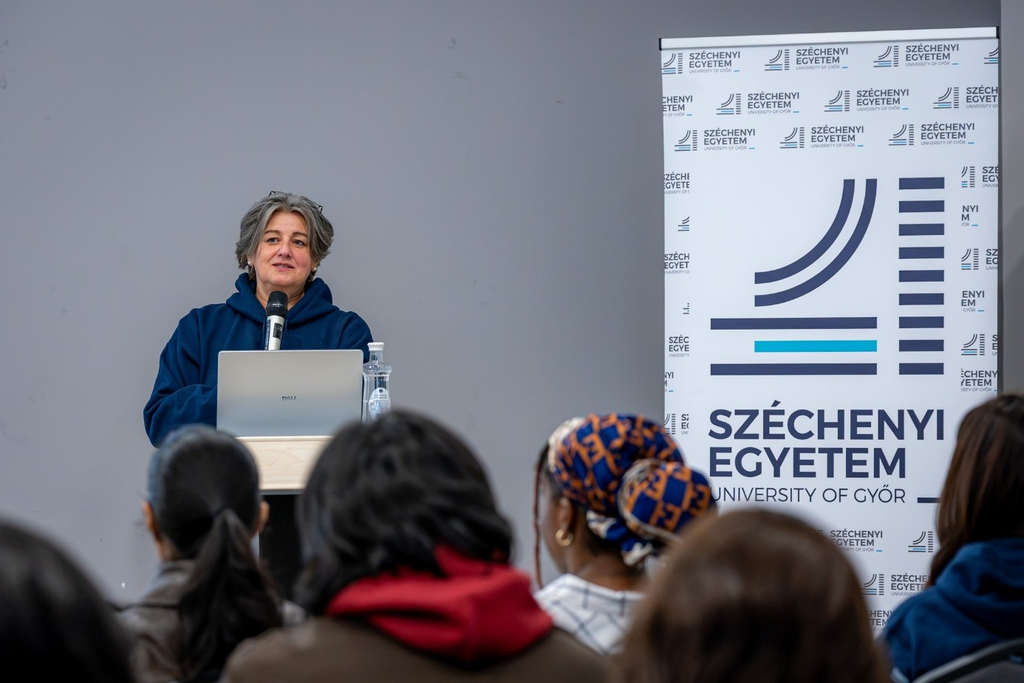
Márta Mészáros, Head of the Centre for Mobility and Scholarships at Széchenyi István University, at the MobiliTea event. (Photo: András Adorján)
The Centre for Mobility and Scholarships of Széchenyi István University’s International Directorate informed MobiliTea participants about the conditions for studying abroad for part of their degree, undertaking internships and participating in shorter study trips. Two former scholarship recipients also shared their experiences with attendees: Erwan Frieska spoke about his time abroad under the Pannónia Scholarship Programme, while Ákos Vida discussed his experiences through the Stipendium Peregrinum programme.
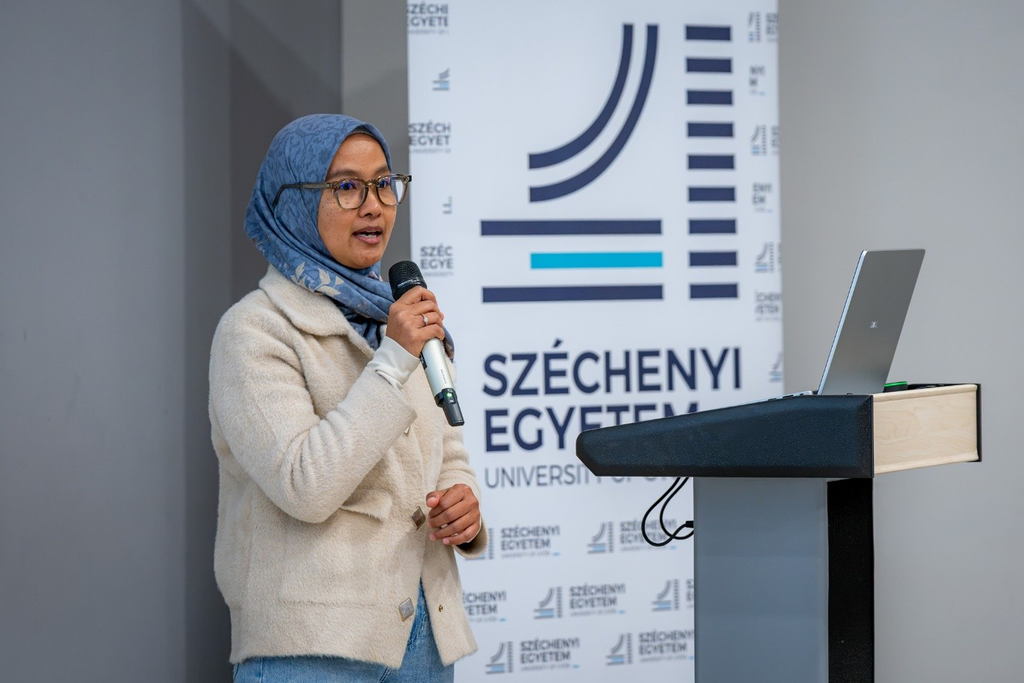
Erwan Frieska studied at Nagoya University in Japan through a short-term research mobility opportunity under the Pannónia Scholarship Programme. (Photo: András Adorján)
Under the Erasmus+ programme, students can primarily study at European partner institutions or undertake internships abroad. In addition to scholarship periods lasting 2–12 months, shorter intensive programmes lasting 5–30 days and combining in-person and online learning are also available. Depending on the destination country and the activity chosen, grants may range from €540 to €750 per month, with additional funding available under certain conditions. Specific opportunities to participate will depend on institutional calls for applications and available funding.
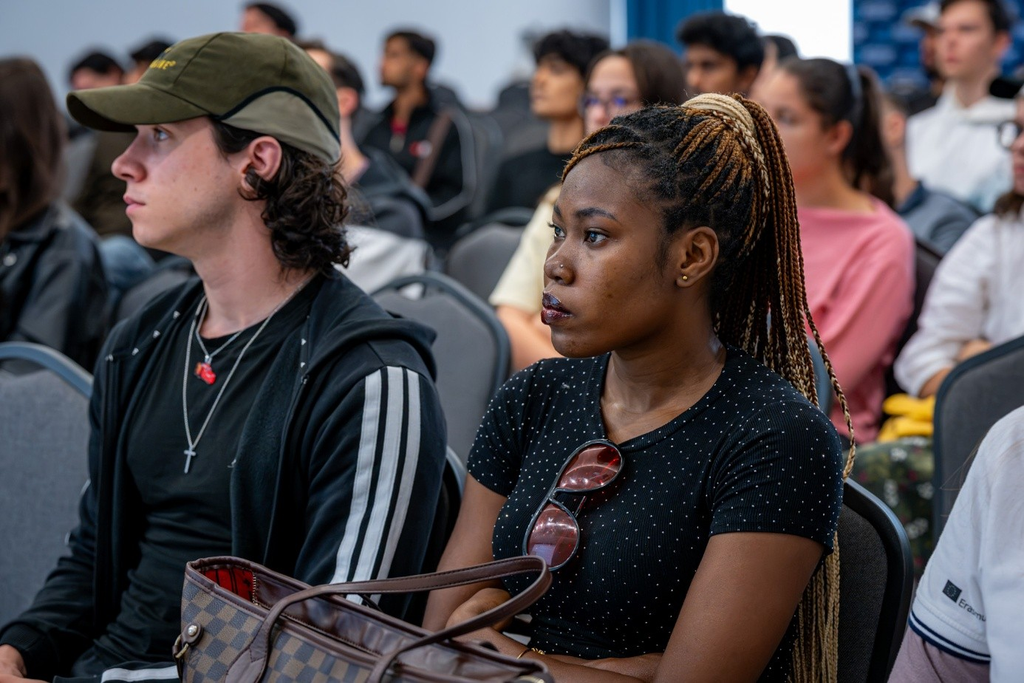
Once again, many students showed an interest in the study abroad and scholarship opportunities presented at the MobiliTea event. (Photo: András Adorján)
The opportunities offered by the Pannónia Scholarship Programme were also presented at the event. Through this Hungarian-funded initiative, students at Széchenyi István University can gain international experience at institutions both within and outside Europe. The programme supports study, research and internship periods lasting 2–6 months, as well as shorter visits of 2–30 days. Depending on the destination country, long-term scholarships may range from HUF 350,000 to HUF 400,000 per month, while short-term grants may amount to HUF 25,000–30,000 per day. The excellence scholarship also provides opportunities to study or conduct research at one of the world’s top 250 higher education institutions.
Students could also learn about the CEEPUS programme, which is based on cooperation between higher education institutions in Central and South-Eastern Europe. The programme offers opportunities to study abroad or work on a thesis in Austria, Poland, Slovenia and several other countries in the region. Grant amounts are determined by the host country.
MobiliTea also covered eligibility requirements and practical aspects of the application process. Scholarship applications are assessed on the basis of academic performance, language proficiency, community involvement and extracurricular achievements. Participants also received information on how to choose a host institution, which documents are required and how courses completed and credits earned abroad can be recognised.
Further information about Széchenyi István University’s international scholarship opportunities, current calls for applications and eligibility requirements is available on the website of the Centre for Mobility and Scholarships.